
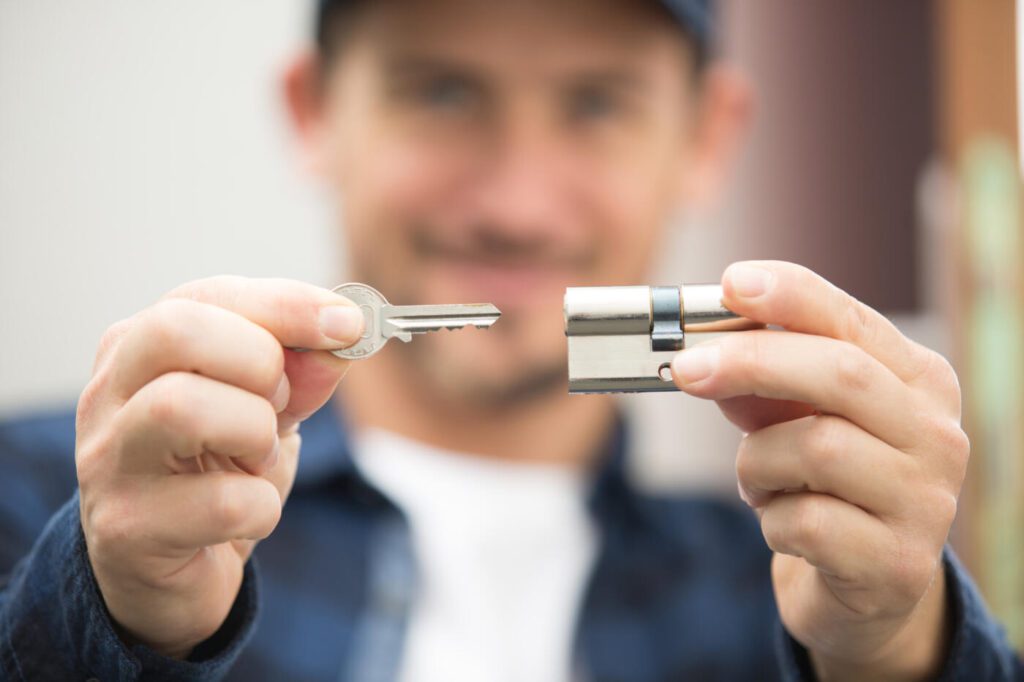
You’re turning the key in your front door when you notice it’s getting harder to operate. The mechanism feels stiff, and you need to jiggle it just right before the bolt slides across. You tell yourself you’ll sort it out soon, but weeks turn into months, and that temperamental lock becomes part of your daily routine.
Most people don’t think about replacing their locks until something forces the issue, such as a break-in, lost keys, or the day a lock finally refuses to cooperate entirely. Unlike your boiler or car, locks don’t come with service schedules or obvious warning lights. Yet at Grays Locksmiths, we regularly see locks that should have been replaced years ago, quietly compromising security while their owners remain unaware.
Your locks don’t have expiry dates stamped on them, but they do wear out and become less secure over time. Understanding when replacement makes sense can save you from security headaches and the stress of dealing with failed locks at the worst possible moment. This blog explains what you need to know about keeping your locks in proper working order.
The basics: lock lifespan and what affects it
Quality locks typically last between seven and ten years with regular use, though this varies depending on several factors. Your front door lock, which you turn multiple times every day, will wear faster than the lock on your shed that only gets used occasionally. Think about it. If you and your family leave the house four times daily, that’s over 1,400 cycles per year on that lock.
Environmental exposure plays a bigger role than many people realise. Locks on external doors face harsh conditions like rain, frost, temperature swings and, if you’re near the coast, salt air that accelerates corrosion. Internal locks enjoy a far gentler life. We’ve seen coastal properties where external locks need replacing every five years, while the same locks installed inland might last fifteen.
British Standard locks built to BS3621 specifications use better materials and more precise manufacturing than cheaper alternatives. You might pay more initially, but these locks often outlast budget options by years.
Proper maintenance can extend the lifespan of your locks, too. A lock that gets occasional lubrication and cleaning will serve you far longer than one that’s completely neglected.
However, some locks fail within a few years due to heavy use or poor quality, while others last for decades. That’s just the way it is.
Clear signs your locks need replacing
Certain warning signs indicate your locks need immediate attention. Ignoring them will only make things worse.
If you’re regularly jiggling or forcing your key to make it work, your lock’s internal components are wearing out. Those tiny pins and springs inside the cylinder that make your lock secure are failing, and it’s only a matter of time before the key stops working altogether. We’ve rescued countless Nottingham residents who’ve pushed their luck too far and ended up locked out.
Loose or wobbly locks that move when you turn the key suggest the fixing points or internal mechanism are failing. Your lock should feel solid and firmly mounted. Any movement indicates problems that compromise security. A determined burglar can exploit this weakness.
When keys stick or won’t insert smoothly, it’s often caused by worn pins inside the lock or accumulated debris. You might think you just need a new key cut, but usually the lock itself is the problem. We can inspect it and tell you whether cleaning and maintenance will solve the issue or whether you need a replacement.
Visible rust or corrosion on external locks isn’t just unsightly. It compromises both function and security. Once corrosion starts affecting internal components, your lock’s reliability drops. Don’t wait until it seizes completely.
Pay attention to locks that don’t engage properly. If your deadbolt doesn’t fully extend or seems to catch on something, it’s not providing proper security. The whole point of a deadbolt is that it’s solid. Anything less leaves you vulnerable.
And if keys have broken off in your locks, it usually indicates both a worn lock and worn keys. The metal fatigue that caused the break usually points to components that are past their useful life. Even if we extract the broken key, you should seriously consider replacing the lock.
Any of these issues mean your lock is already compromised.
How to maintain your locks between replacements
Proper maintenance can add years to your locks’ lifespan and keep them working smoothly.
Lubrication helps, but use the right product. Graphite powder works perfectly. It reduces friction without attracting dirt. Never use oil-based lubricants, which create a sticky mess that accumulates debris and makes problems worse. A small puff of graphite powder into the keyhole once or twice a year keeps things moving freely.
Keep your locks clean. Dirt, dust and debris accumulate in external locks. A quick clean with a dry cloth and compressed air removes buildup before it causes problems. For external locks, check that drainage holes aren’t blocked. Water needs to escape rather than sit inside the mechanism, where it causes corrosion.
Check and tighten mounting screws once a year. Locks work loose over time through constant use. A few minutes with a screwdriver can help keep everything secure and prevent that wobble that indicates loose fittings.
Protect your external locks from the weather when possible. If you’re repainting or treating your door, cover the lock mechanism. Use proper exterior-grade locks on external doors. Internal locks forced into outdoor service can deteriorate rapidly.
Get your keys cut properly rather than using worn keys that damage lock internals. Cheap key-cutting services often produce imprecise copies that don’t quite fit right. These force you to wiggle and jiggle, wearing down the pins inside your lock. Professional key cutting costs a bit more but protects your lock investment.
And regular use actually helps your locks. Mechanisms can seize when left unused for months. If you have locks that rarely get used, operate them occasionally to keep things moving. This applies particularly to garage doors, sheds and holiday properties.
For essential locks on business premises or high-value properties, professional servicing makes sense. We can strip down, clean and service locks, replacing worn components before they fail. This preventative approach costs less than an emergency callout when your locks fail at inconvenient moments.
How can Grays Locksmiths help?
If you’re unsure about the condition of your locks, a professional assessment can provide clarity. At Grays Locksmiths, we can identify wear that isn’t obvious and give you an honest opinion about whether repair, maintenance or replacement makes most sense. Sometimes, a simple service can extend the life of your locks by years. Other times, replacing them is the only sensible option.
Trying to save money by leaving worn locks in place often costs more in the long run.
So, if you’re concerned about the state of your locks, wondering whether it’s time for an upgrade or just want peace of mind that your security is up to standard, we can help.
Contact us on 0115 942 2315 for an assessment. We’ll examine your locks, explain their condition in plain English, and recommend the right solutions. We’re interested in finding what’s right for your property and budget, not pushing unnecessary replacements. Your security is our business, and we take that responsibility seriously.