
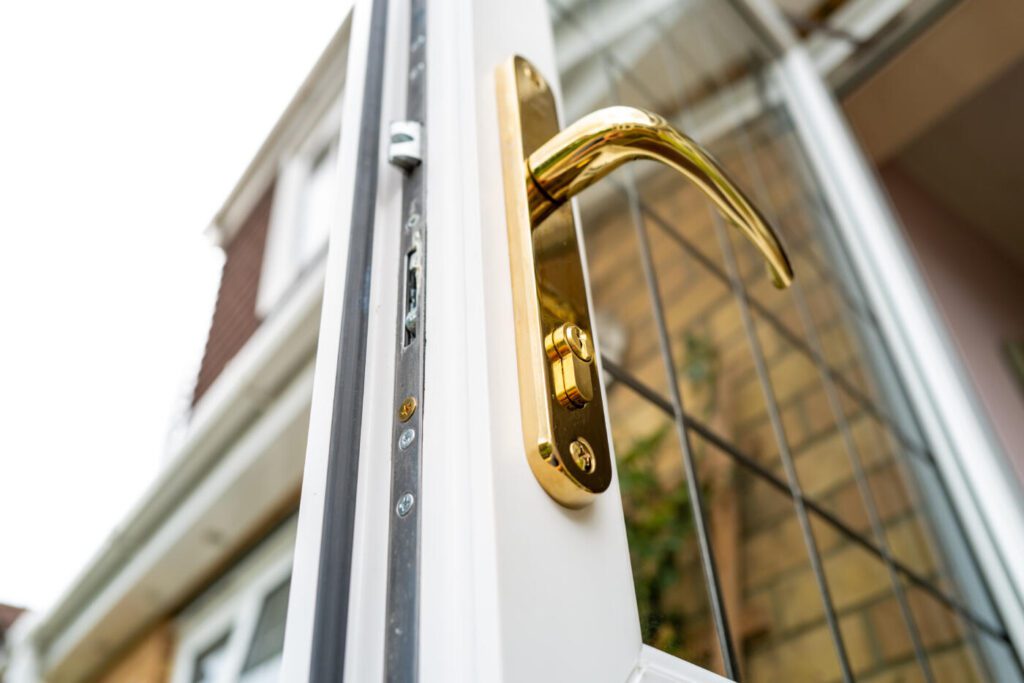
Your home is your sanctuary. Ensuring its security should be a top priority.
The locks on your doors are your first line of defence against unwanted intruders, making them a crucial component of your home security. Choosing the right locks can mean the difference between a secure home and one vulnerable to break-ins.
This guide aims to provide you with comprehensive information on selecting the most suitable locks for your home. We’ll cover everything from understanding lock grades to considering smart home integration. By the end of this article, you’ll have the knowledge to make informed decisions about which locks to choose to enhance your home security.
Understanding lock grades
When choosing locks for your home, you’ll encounter various security ratings and standards. These systems help you understand the level of security a lock provides.
One of the most important and recognised systems is the British Standard Kitemark, a quality mark owned and operated by the British Standards Institution (BSI). It’s a symbol of quality and safety that has been protecting consumers for over a century.
For locks, the most relevant British Standard is BS 3621.
BS 3621 is specifically designed for thief-resistant locks. To achieve this standard, a lock must pass rigorous tests that simulate various attack methods, including picking, drilling and bumping. The standard ensures that the lock can resist these common burglary techniques for a specified period.
Locks that meet BS 3621 will display the British Standard Kitemark along with the standard number. This mark indicates that:
- The product has been independently tested to meet the standard.
- The manufacturing process has been assessed.
- The product undergoes regular audits to ensure consistent quality.
Many insurance companies require external doors to be fitted with BS 3621-compliant locks. This requirement underscores the importance and reliability of this standard. It’s worth noting that there are other relevant British Standards for different types of locks:
- BS 8621: For locks that can be opened from the inside without a key (important for fire safety).
- BS 10621: For locks that can be locked from the outside by a key but can be opened from the inside without one.
When shopping for locks, look for the Kitemark and the relevant BS number. This ensures you’re getting a lock that meets recognised security standards and may be required by your insurance policy. While the British Standard Kitemark is a reliable indicator of quality and security, it’s just one factor to consider when choosing locks for your home.
Types of locks for external doors
External doors require robust locking mechanisms. There are a few main types of external door locks to consider.
Mortise locks fit into a pocket (mortise) in the door. They’re known for their strength and durability. Mortise locks often include both a latch-bolt operated by the handle and a deadbolt operated by a key.
Cylinder locks use a cylinder that can be easily replaced without removing the entire lock, making them convenient for rekeying. Euro cylinder locks are particularly popular in the UK.
Multipoint locking systems secure the door at multiple points when engaged. They’re common on uPVC and composite doors and offer excellent security.
And electronic smart locks can be operated via a smartphone app, keypad or key fob. They offer convenience and can integrate with home automation systems, but make sure they meet the same security standards as traditional locks.
Choosing locks for different door types
Different doors in your home may require different types of locks.
Your front door is typically the main entry point and should have the strongest lock. A mortise lock or a high-grade cylinder lock with a separate deadbolt is a good choice.
Back doors and patio doors are common targets for burglars. Consider multipoint locking systems for patio doors. For wooden back doors, a mortise lock or cylinder lock with a deadbolt works well.
Internal door locks don’t need to be as robust as external locks. Simple cylinder locks or even privacy locks (which can be locked from the inside but opened from outside in emergencies) are usually sufficient.
Additional security features to consider
Beyond the main locking mechanism, consider these additional security features:
- Deadbolts provide extra security when engaged. Look for deadbolts that extend at least one inch into the door frame.
- Chain locks, while not a primary security measure, can provide an extra layer of protection when opening the door to strangers.
- Peepholes or door viewers allow you to see who’s at the door before opening it. Wide-angle viewers offer a better view than traditional peepholes.
Factors to consider when selecting locks
While it’s tempting to opt for the cheapest option, remember that locks are an investment in your safety. Balance cost with security needs. If you live in an area with higher crime rates, invest in higher-grade locks.
Some insurance policies specify certain types of locks. Check your policy to ensure your locks meet the requirements. And ensure all your family members, including children and elderly relatives, can operate the locks easily.
Once you’ve chosen your locks, getting them installed by a professional is crucial, even if you’re handy at DIY. Improper installation can compromise the lock’s effectiveness. It might also void the lock’s warranty or your home insurance policy.
Professional locksmiths have the tools and expertise to install locks correctly. They can ensure the lock fits properly and functions as intended.
Regular maintenance is essential to ensure your locks continue to provide optimal security. Clean your locks periodically with a damp cloth and lubricate moving parts with graphite powder or a silicone-based lubricant. Replace your locks if they show signs of wear, if you’ve lost keys or if you’ve moved into a new home and aren’t sure who might have copies of the keys.
How can Grays Locksmiths Nottingham help?
At Grays Locksmiths, we offer advice and installation services to help you choose the best locks for your Nottingham home. Our certified master locksmiths can provide expert guidance, high-quality products and professional installation.
For a free consultation or to schedule a lock installation, get in touch. Let us help you secure your home with the right locks today.