
When it comes to safeguarding your home, having the right locks in place is essential. But did you know that the types of locks you have can also impact your home insurance?
In this article, we’ll walk you through how to identify lock types and why they matter for your home insurance coverage.
Before we delve into how to identify lock types, let’s understand why this matters.
Insurance providers assess the level of risk associated with your property when determining your premium. One crucial factor they consider is the security of your home, and that includes the type of locks you have installed.
Homes with secure and robust locking systems are generally viewed as less risky, leading to potential insurance discounts. On the other hand, weak or outdated locks can increase your insurance costs.
What are the common lock types?
It’s essential to know the lock types in your home to ensure you’re adequately protected, and not overpaying for your coverage. So, what are the common lock types you can find in a property?
Deadbolt locks
Deadbolt locks are the gold standard for home security. They are easy to identify as they lack springs and have a bolt that extends into the door frame when locked. Deadbolts come in various types, including single-cylinder, double-cylinder, and jimmy-proof deadbolts. These sturdy locks can positively impact your insurance premium.
Cylinder locks
Cylinder locks are widely used in both residential and commercial settings. They consist of a cylindrical plug that turns to unlock the door.
You can identify cylinder locks by the keyhole located on the outside of the door. While cylinder locks offer security, some variations are more secure than others.
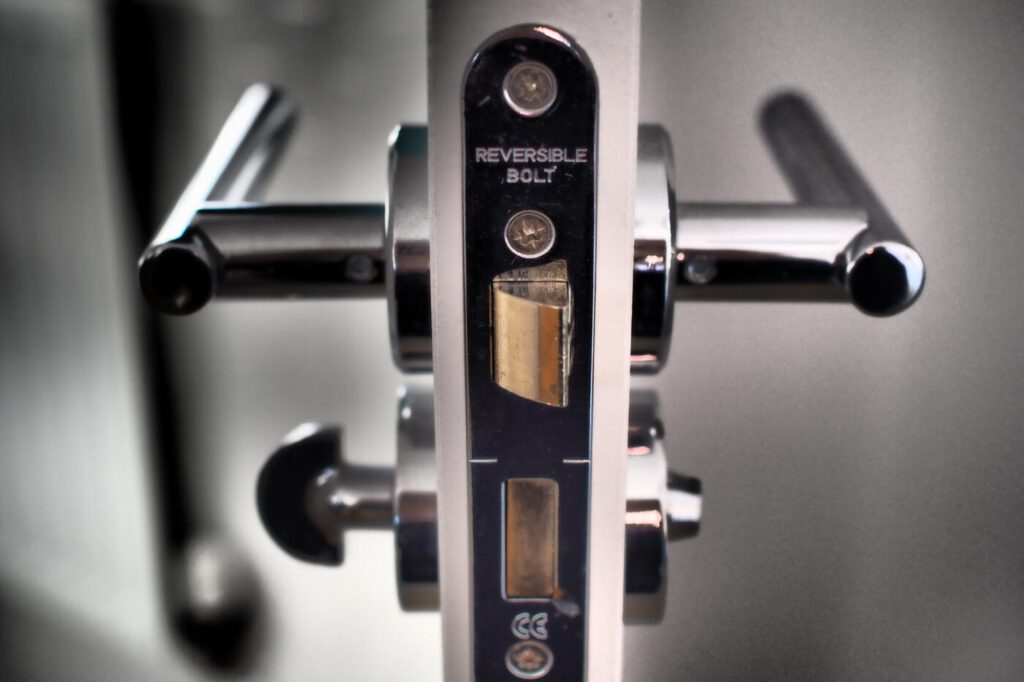
Mortice locks
Mortice locks are found in many homes and feature a large, rectangular body installed inside the door. They are highly secure and can be identified by their box-like appearance. Mortice locks are viewed favourably by insurance providers.
Multi-point locking system
Typically found in uPVC doors, these lock the door at multiple points along the frame.
Smart locks
Smart locks have become increasingly popular in recent years. These locks do not have a traditional key but rely on digital access, such as smartphones or keypads.
Smart locks can enhance security and convenience but may require specific features to impact your insurance premium positively.
Rim lock
An older style lock, often seen in traditional properties. They are less secure unless paired with other lock types.

How your locks can impact your home insurance
Understanding your lock types and their security levels is vital when discussing home insurance with your provider.
Ensuring you provide precise information can prevent issues if you need to make a claim. You can often qualify for discounts by having high-security locks in place.
Ensure you communicate the specifics of your locks to your insurance company to potentially reduce your premium.
Some insurers require specific types of locks as a condition of cover. Better security can sometimes reduce premiums.
Always be as accurate and honest as possible. Misrepresenting your lock types can lead to claim rejections or policy cancellations.
If in doubt, seek professional advice to ensure you’re adequately covered and compliant with your insurer’s requirements.
Tips for identifying your locks
When insuring your home, it’s crucial to correctly identify and describe the types of locks you have on your doors and windows. Insurers often ask about this because the security level of your locks can affect your insurance premium and policy coverage. Here’s how you can identify and describe your locks for insurance purposes:
- Look for brand and standard marks: Manufacturers like Yale, Chubb, and others often mark their locks with model and British Standard (BS) kitemarks.
- Count the levers in mortice locks: A higher number of levers usually means a more secure lock. Five-lever mortice locks are typically recommended for external doors.
- Check window lock operation: Whether they’re push button, twist, or use a key can impact their security level.
- Photographs: Taking clear photos of your locks can help when discussing with insurers or locksmiths.
- Consult with a locksmith: If you’re unsure, a professional locksmith can identify and advise on the security grade of your locks.
- Insurance documentation: Previous insurance documents or home surveys might already have your lock types listed.
- Check for additional features: Some locks might have anti-snap cylinders or other security features worth mentioning to your insurer.
Choose Grays Locksmiths to upgrade your locks
It’s essential to prioritise security while also enjoying potential cost savings on your insurance premiums. If your current locks don’t meet the security requirements for insurance discounts, consider upgrading to more secure options.
Your peace of mind and financial well-being are worth the investment in secure locks for your home.
Here at Grays, we can help you choose the right locks for your home, ensuring both your safety and potential insurance savings.
Give us a call today on 0115 942 2315 or visit our shop.