
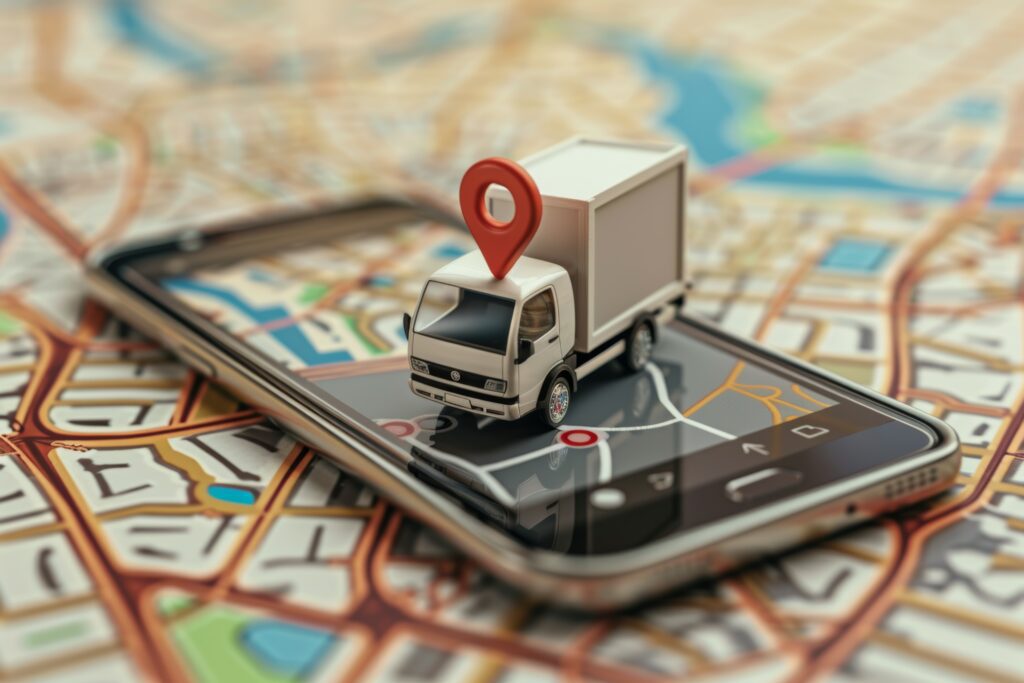
If you run a business with vehicles, you’re probably all too aware of the rising theft rates. Modern thieves are getting smarter, using sophisticated techniques to bypass standard security measures. But GPS tracking systems can do more than just help recover stolen vehicles – they’re becoming an essential tool for protecting your fleet and improving your bottom line.
Think of a GPS tracker as a silent guardian for your vehicles. Unlike traditional security measures that try to prevent theft, trackers help you respond quickly when something does go wrong. And with vehicle crime showing no signs of slowing down, that quick response could make all the difference between recovering your vehicle or facing a costly loss. This blog looks at exactly what GPS trackers can do, how they work, and why they’re becoming a must-have for any business running vehicles.
How vehicle trackers work
Let’s cut through the technical jargon. A GPS tracker is a small device that communicates with satellites to pinpoint your vehicle’s exact location. But modern systems do far more than just track location.
You’ve got two main types to consider. Hardwired systems connect directly to your vehicle’s electrical system, making them harder to detect and tamper with. Then there are battery-powered units, which are easier to install but need regular charging.
The best systems provide real-time updates, letting you see exactly where your vehicles are at any moment. Some cheaper options only update periodically. They’re fine for basic tracking but not ideal if you need to respond quickly to a theft.
Essential security features
Modern GPS trackers come packed with security features that go way beyond simple location tracking. Take immobilisation capabilities – imagine being able to stop a stolen vehicle remotely. It’s not science fiction – it’s a standard feature on many modern systems.
Movement alerts are another game-changer. Your phone can ping the second a vehicle moves outside working hours or leaves its designated area. Battery disconnect warnings tell you if someone’s trying to disable the tracker. And driver identification systems ensure only authorised staff can use your vehicles.
Geofencing is particularly useful for fleet managers. Set up virtual boundaries on a map, and you’ll know instantly if a vehicle strays outside its approved area. It’s not just about security – it’s about understanding where your vehicles should be and when they should be there.
Beyond security – business benefits
Here’s where GPS trackers really earn their keep. Yes, they’re brilliant security devices, but they’re also powerful business tools.
Think about fuel efficiency. These systems can track driving styles, highlighting heavy acceleration or excessive idling that wastes fuel. They can help plan more efficient routes, cutting fuel costs and delivery times.
Maintenance becomes easier, too. Modern systems track mileage and engine hours, alerting you when services are due. Some even monitor engine health, warning you about potential problems before they become expensive breakdowns.
And don’t forget insurance. Many companies offer significant premium discounts for tracked vehicles. Why? Because they know tracked cars are more likely to be recovered if stolen and are often driven more carefully.
Choosing the right tracker
Getting the right GPS vehicle tracker means thinking about how you’ll use it. Need real-time tracking? You’ll want a system with frequent updates and good battery life. Managing a large fleet? Look for systems with user-friendly fleet management interfaces.
Professional installation might cost more initially, but it’s worth it. A properly installed hardwired system is harder to detect and tamper with. Plus, you’ll know it’s been fitted correctly and won’t cause problems with your vehicle’s electronics.
Consider subscription costs, too. Some systems have lower upfront costs but higher monthly fees. Others cost more to buy but have minimal ongoing charges. Work out the total cost over a few years before deciding.
Installation and maintenance
Professional fitting isn’t just about getting the wires in the right place. It’s about positioning the tracker where thieves won’t find it, ensuring it has good satellite reception and making sure it won’t interfere with your vehicle’s electrical systems.
Once installed, these systems need surprisingly little maintenance. Regular software updates keep the security features current, and occasional checks ensure everything’s working as it should. If you’ve opted for battery-powered units, you’ll need to stay on top of charging schedules.
Remember, a GPS tracker is only as good as its installation and maintenance. Cut corners here, and you might find your system lets you down just when you need it most.
How can Grays Locksmiths Nottingham help?
Don’t wait until after a vehicle theft to think about GPS tracking. Our security experts can help you choose and install the right system for your business needs. Contact us today on 0115 942 2315 to discuss your vehicle security options. It could be the best investment you make in protecting your fleet.