
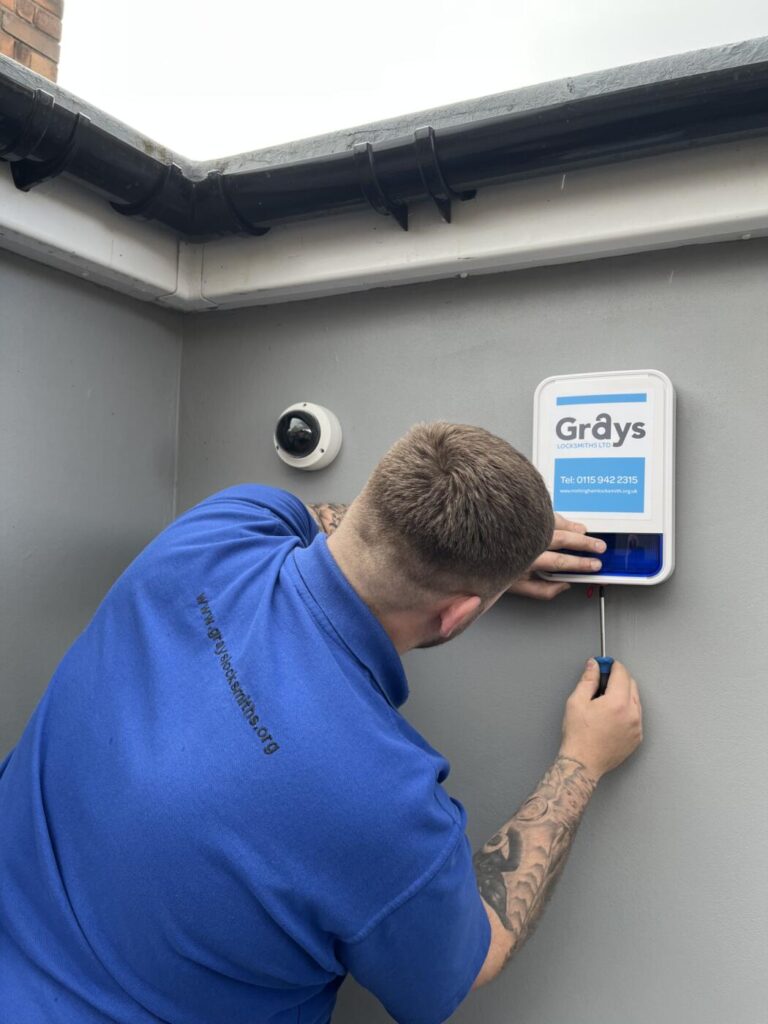
As a business owner, you know security isn’t something you can set up once and forget about. It requires regular attention, especially as your business grows and changes.
Spring is the perfect time to give your commercial security a thorough once-over. After the winter months, when shorter days and harsh weather may have taken their toll on external security features, a comprehensive check ensures everything is working correctly before the busier summer season.
This security ‘spring clean’ isn’t just about finding problems. It’s about being proactive. Many security weaknesses develop gradually over time, becoming apparent only after a breach occurs. By conducting a systematic review now, you can spot and fix issues before they become serious vulnerabilities.
This handy checklist will walk you through the key areas to assess when giving your commercial security a spring clean. Follow these steps to ensure your business remains protected throughout the year.
Review your access points
Your property is only as secure as its weakest entry point. Start your security spring clean with a thorough inspection of all doors and windows.
For doors, check:
- Door frames for signs of warping, splitting or damage that could compromise security
- Hinges for wear, loose screws or corrosion
- Door closers to ensure they’re functioning correctly and closing doors completely
- Weather strips and threshold seals, which might have deteriorated over winter
- Glass panels for cracks or loose beading that could allow manipulation
Pay particular attention to your main entry doors, which get the most use and often show signs of wear first. Don’t forget delivery entrances and rear access doors, which might be used less frequently but are common targets for intruders.
For windows, inspect:
- Locks and catches, ensuring they engage properly
- Frames for damage or deterioration
- Glass for cracks or signs of attempted forced entry
- Window restrictors, if fitted, to check they’re operating correctly
Emergency exits require special attention. These need to balance security against the requirement for easy exit during emergencies:
- Test panic hardware to ensure it operates smoothly
- Check that emergency exits can’t be compromised from outside
- Ensure fire doors haven’t been propped open or had their closing mechanisms disabled
- Confirm that emergency exit routes are clear and unobstructed
A professional locksmith can spot security weaknesses that might not be obvious to the untrained eye, so consider bringing in an expert for this part of your security audit.
Evaluate your locks
Your locking systems form the foundation of your physical security. Over time, locks can wear out, keys can be lost or copied, and security standards can change.
If you have a master key system, now is the time to audit it:
- Review who has access to which areas and whether this still matches their roles
- Check if any keys have been reported lost or missing during the past year
- Consider whether your current system still meets your security needs
- Update records of who holds which keys
For all your locks, check:
- Signs of wear, such as stiff operation or keys that stick
- Whether locks meet current insurance requirements and British Standards
- If any locks show signs of attempted tampering
- Whether any locks are outdated and vulnerable to modern snapping techniques
Security technology advances quickly, so consider whether it’s time for upgrades:
- High-security cylinders with patented key systems that prevent unauthorised copying
- Digital locks that eliminate the need for physical keys
- Smart locks that can be monitored and controlled remotely
- Anti-snap cylinders for UPVC doors and windows
If your business has changed significantly since your locks were installed – perhaps with new departments, more staff, or different security requirements – a complete reassessment of your locking strategy might be worthwhile.
Assess your external security measures
The boundary of your property forms your first line of defence. Walk the perimeter and check:
- Fencing for damage, rust, or sections that could be easily climbed
- Gates to ensure they close and lock properly
- Barriers and bollards for signs of damage or wear
- Boundary walls for cracks or areas that require repair
External lighting is crucial for deterring opportunistic intruders:
- Replace any failed bulbs or damaged light fittings
- Check timers and photocells are operating correctly
- Consider upgrading to energy-efficient LED lighting if you haven’t already
- Identify any dark spots that might benefit from additional lighting
Don’t overlook how landscaping affects security:
- Trim back overgrown shrubs that could provide hiding places near doors or windows
- Check that trees haven’t grown to provide access to upper floors or roof areas
- Ensure landscaping features haven’t created unintentional climbing aids
- Consider security-conscious planting, such as thorny shrubs beneath vulnerable windows
Car parks and delivery areas often have specific security needs:
- Check barriers and gates are functioning properly
- Ensure delivery areas can be secured when not in use
- Review lighting in staff parking areas
- Consider whether pedestrian routes through these areas are appropriately secured
Inspect your CCTV and monitoring systems
CCTV systems degrade over time, and a camera that’s not working properly provides a false sense of security. For each camera, check:
- The image quality and field of view
- Whether anything is obscuring the camera’s vision
- If the camera has shifted position or needs readjustment
- Whether night vision capabilities are functioning properly
For your entire CCTV system, assess:
- Coverage areas and whether there are any blind spots
- If the recording equipment is working as it should
- How long footage is stored and whether this meets your needs
- Whether the system needs cleaning or maintenance
If your CCTV feeds to a monitoring station, test:
- Communication between your system and the monitoring centre
- Response protocols – are they still appropriate?
- Whether staff know what to do in the event of a security incident
CCTV technology has improved dramatically in recent years. If your system is more than five years old, consider whether an upgrade would provide better security and value:
- Higher-resolution cameras for clearer images
- Systems with better low-light performance
- Smart CCTV with motion detection and alerts
- Cloud storage options for easier access to footage
Test your access control systems
Modern businesses increasingly rely on electronic access control systems. These need regular checks to ensure they’re providing the protection you expect. For door entry systems:
- Test all access credentials (cards, fobs, or biometric systems)
- Check door sensors and release mechanisms
- Ensure emergency override systems function correctly
- Look for signs of tampering or attempted breach
Access permissions require regular review:
- Remove access for former employees or contractors
- Update access levels for staff whose roles have changed
- Check for unusual access patterns that might indicate shared credentials
- Review time-restricted access settings
If your access control integrates with other systems:
- Test how it works with your intruder alarm
- Check integration with fire alarm systems for emergency release
- Ensure any links to your CCTV system operate as expected
Don’t forget to check backup systems:
- Test how your access control performs during a power outage
- Ensure battery backups are working and have sufficient capacity
- Check that manual override systems are functional but secure
Check your intruder alarm systems
Intruder alarms can develop faults over time, and components may degrade or become less reliable. For sensors and detectors:
- Check each device for secure mounting and correct positioning
- Test PIR sensors to ensure they’re detecting movement properly
- Inspect door and window contacts for damage or misalignment
- Test any glass break or vibration sensors
For your alarm panel:
- Ensure the software/firmware is up to date
- Test communication with the monitoring station
- Check that backup battery systems are functioning
- Verify that user codes are current and assigned appropriately
If you’ve experienced false alarms, investigate the causes and solutions:
- Environmental factors like heating systems or moving objects
- Incorrect sensor types for the environment
- Staff errors or training issues
- Technical faults requiring professional attention
How can Grays Locksmiths Nottingham help?
After completing your security spring clean, you’ll likely have a list of issues that need addressing. Prioritise these based on risk and impact:
- Critical vulnerabilities requiring immediate attention
- Significant issues that should be addressed within weeks
- Minor concerns that can be planned for the coming months
- Improvements to consider for longer-term budgeting
Don’t hesitate to call in professional help for your commercial security issues. Our qualified locksmiths can provide expert advice and ensure work is completed to appropriate standards.
For help with your commercial security spring clean, contact Grays Locksmiths Nottingham on 0115 942 2315.